OUR
MISSION:
TO
RALLY
- FRIENDS.
- STRANGERS.
- THE SCENE.
LET'S
DREAM
- BIG.
- SMALL.
- WEIRD.
REMEMBER,
STAY
- REAL.
- A WHILE.
- PUNK.
BECAUSE
LIFE
- IS RAD.
- IS WILD.
- IS SHORT.
PART 02
THE FOUNDERS
WE CAME UP SKATING
SUMMONER OF SQRL
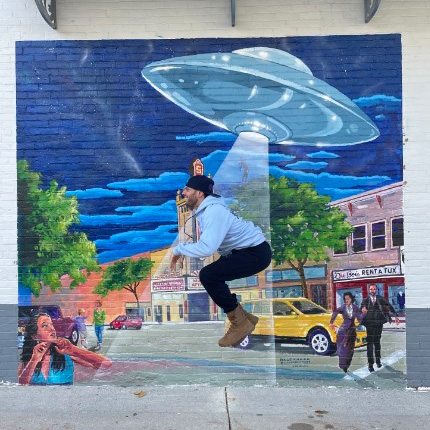
Clay, of SQRL NUTT has been making fingerboards for years and rips something fierce.
POET OF SORTS
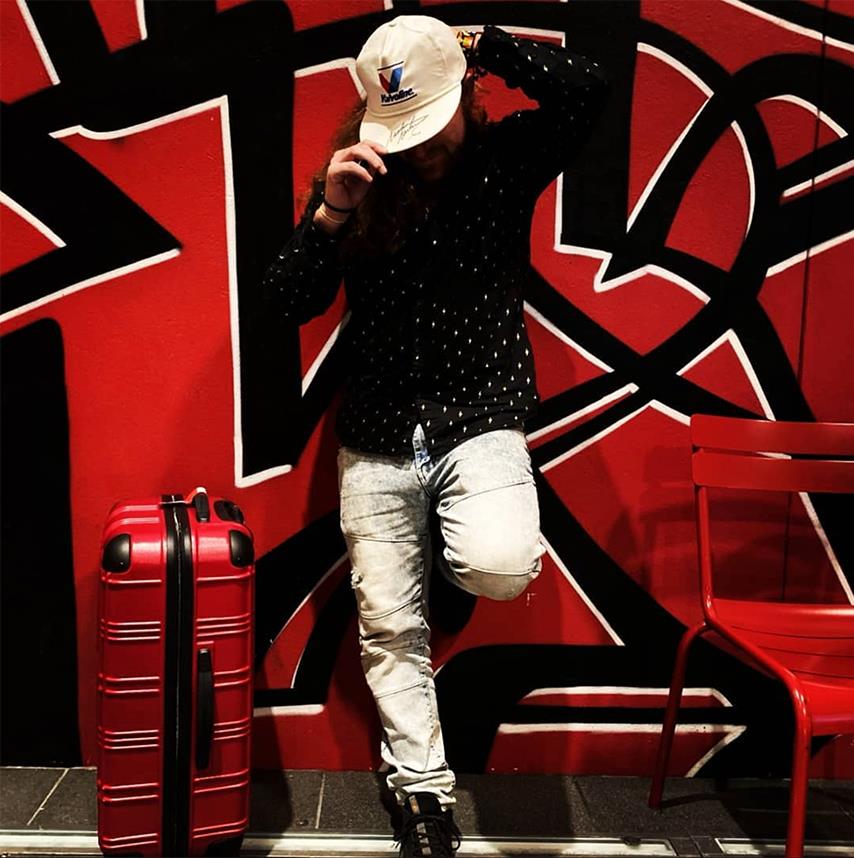
Kin's been building sites and pushing pixels for the better part of a decade.
Before the turn of the millennium, Clay and myself, (Kinchasa) were just a couple rapscallions skating until the streetlights came up. We built our own ramps and rails, stashing them beneath a pine tree we'd trimmed out just enough to make room for our makeshift skatepark (kinda messed up the tree, woops).
There was something in the air man — this feeling of possibility that you could make just about anything happen with a little ingenuity and a healthy disregard for how things were supposed to be done.
Fingerboarding was a natural extension of all that, but a whole world unto itself. Clay had a genuine knack for it. I thought I did too, unaware that most had graduated from the 3-finger stance long ago.
A good couple decades later, we're at it again. We're setting out to build a new gathering place for the culture that never really left us.
We're getting things rolling, but this isn't meant to be our own little clubhouse. We want to bring in riders, makers, artists, organizers — other movers, shakers, and otherwise ply-pushing misfits who make fingerboarding what it is. If you've got something you want to contribute, there's a good chance we're down for it.
PART 03
FINGERBOARDING HISTORY
FROM POOLS TO KITCHEN SINKS
A BRIEF (OFTEN DISPUTED) HISTORY
1960s–1970s
THE PREHISTORIC ERA
BEFORE IT HAD A NAME.
Long before it blew up, homemade mini skateboards were the stuff of novelties and keychains.
1978–1979
THE DIY YEARS
POPSICLE STICK PIONEERS
Skateboarding legend Lance Mountain recalls a fellow skater, identified in historical accounts as Ernon Troya, making miniature boards from popsicle sticks.
Inspired by these creations, Mountain began crafting tiny skateboards of his own, including miniature pro-model boards for fellow riders.
1985
DROP IN.. TO THE DISHES
FIRST SEEN IN FOOTI
In Powell Peralta's video Future Primitive, Lance Mountain rides a homemade fingerboard around a kitchen sink in a hilarious bit they intro as How Skateboarders Train.
SOURCE: Future Primitive, Ch. 4 “How They Train” (Powell Peralta, 1985)
1987
THE COMMERCIAL EXPERIMENT
A FORAY INTO INDUSTRY.
Somerville International brings its Fingerboard brand to market, helping turn miniature rideable skateboards into commercially available products.
They aren't exactly flying off every toy-store shelf yet, but the transition from homemade novelty to manufactured product is underway.
LATE 1980s–1990s
THE UNDERGROUND GETS CRAFTY
WOODWORKERS ARE COMING
In Germany, early pioneers including Martin Winkler experiment with wooden fingerboards, developing handmade alternatives to plastic novelties.
As tricks become more sophisticated, so does the pursuit of better equipment.
The foundations of fingerboarding's independent maker culture are being laid.
1998–1999
THE PLASTIC EXPLOSION
TECH DECK ARRIVES.
X-Concepts launches Tech Deck in 1998, putting officially licensed skateboard graphics onto miniature plastic decks.
By 1999, fingerboarding is exploding into mainstream toy culture. Skate brands, collectibles, miniature ramps, and playground competitions help introduce an entire generation to fingerboarding.
For millions, this is where the obsession begins. For some diehards, it was disheartening.
1999
THE RAMPS GET REAL
ENTER BLACKRIVER.
Martin Ehrenberger founds Blackriver in Germany, bringing a new level of craftsmanship to purpose-built fingerboard obstacles.
Its first product, the Big Mama ramp, marks an early step toward treating fingerboarding as something more than a toy.
The infrastructure of a genuine scene is coming together.
2000
THE COMPETITIVE ERA BEGINS
FAST FINGERS. SERIOUS BUSINESS.
Blackriver organizes the first Fast Fingers competition, bringing fingerboarders together to battle it out on miniature obstacles.
What starts as a small gathering develops into one of the discipline's most significant recurring events.
Turns out, tiny skateboards can attract a serious crowd.
2002
THE FIVE-PLY REVOLUTION
WOOD IS GOOD.
Berlinwood, founded by Timo Lieben, helps establish the five-ply wooden fingerboard as a serious alternative to mass-market plastic decks.
More refined shapes, improved construction, and equipment designed around actual fingerboarding performance push the craft forward.
The hobby is growing up, one maple veneer at a time.
2008
THE WORLD STAGE
TINY BOARDS. WORLD CHAMPIONS.
Fast Fingers holds its first Fingerboard World Championship, drawing competitors into an increasingly organized international scene.
What began with homemade boards and tabletop improvisation now has world-class riders, sponsors, dedicated parks, and competitive recognition.
2010s
THE INDEPENDENT REVOLUTION
THE MAKERS TAKE OVER.
Specialist manufacturers and independent brands continue refining precision trucks, bearing wheels, custom decks, and professional obstacles.
Online videos, forums, social media, and local sessions connect communities across continents.
Fingerboarding is no longer defined by what the toy aisle has to offer.
2020s–TODAY
THE MODERN ERA
SMALL WORLD. BIG SCENE.
Today, fingerboarding is a global network of riders, collectors, independent makers, shops, event organizers, and park builders.
From handmade split-ply decks to concrete miniature skateparks, the culture continues evolving through creativity, experimentation, and a truly unreasonable amount of dedication.
What began as a miniature expression of skateboarding has become a culture all its own.
HISTORY IS IN GOOD HANDS.
Fingerboarding didn't start with a boardroom full of executives and it ain't rallying that way either.
It began with skateboarders doing what skateboarders do: making something out of nothing, finding spots where nobody else saw them, and inventing new ways to have fun.
Decades later, the boards are better, the tricks are harder, and the community is bigger than ever.
The obsession remains exactly the same.
TWO DIGITS. MAD POSSIBILITY.
PART 04
THE FUTURE
STILL MAKING IT UP AS WE GO.
Skateboarding taught us something that stuck.
You don't need permission to build something. You don't need a perfect plan. And the best things don't always come from the people with the biggest budgets or the gold foil having credentials.
Sometimes they start in a garage. On a workbench. Behind a mall. Or in the imagination of somebody who thinks a tiny skateboard deserves a much bigger world.
SQRL Nutt and Fingerboarder.com are different expressions of that same impulse.
One makes boards. The other is building a place for the people who make them, ride them, obsess over them, and keep pushing this ridiculous little culture forward.
We're not here to tell anybody what fingerboarding should be.
We're here because we can't wait to see what it becomes.
KEEP MAKING. KEEP PUSHING.